
Mold & Mycotoxin
The Who, What, When, Where & Why And How to Treat It
What Are Mold & Mycotoxins?
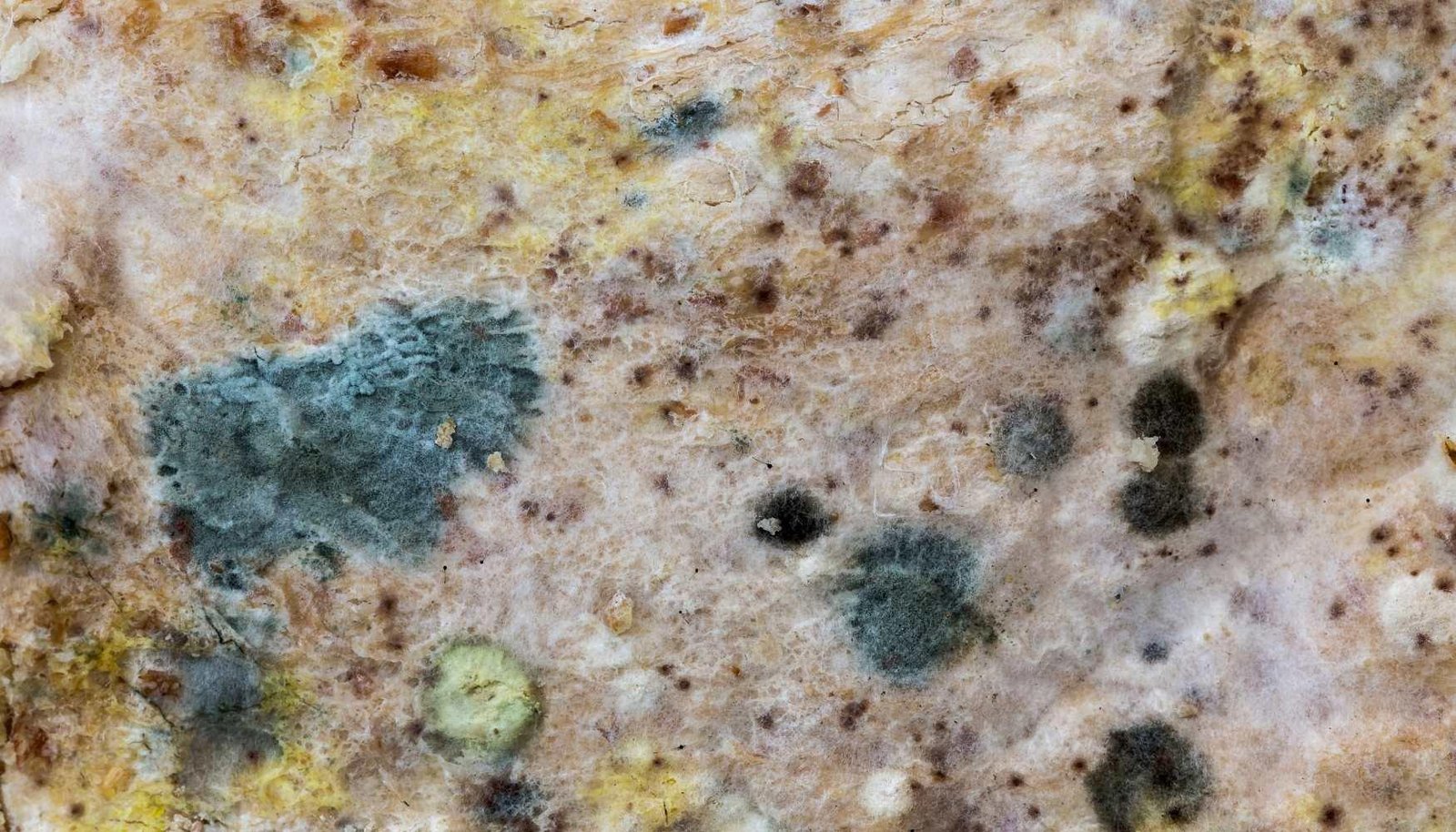
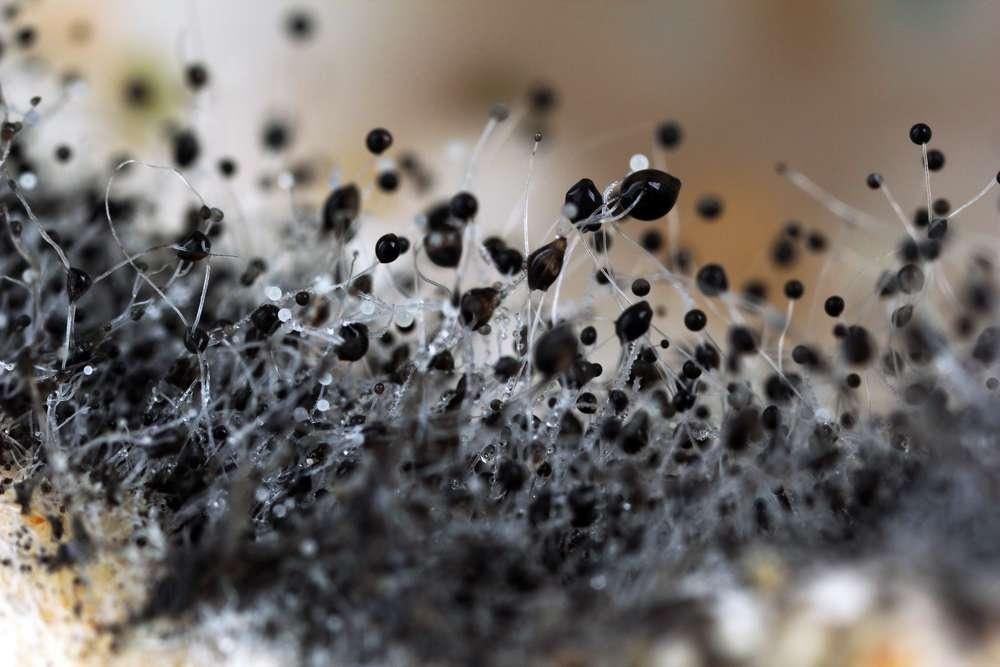
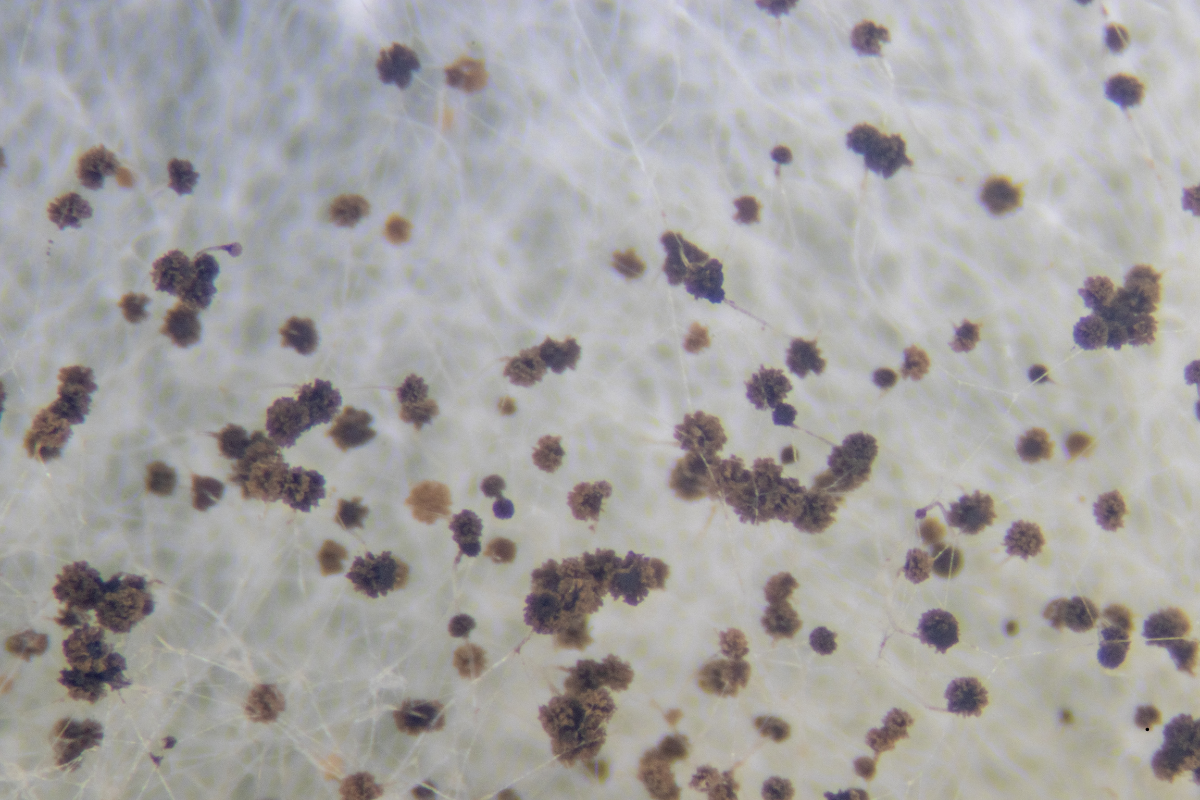
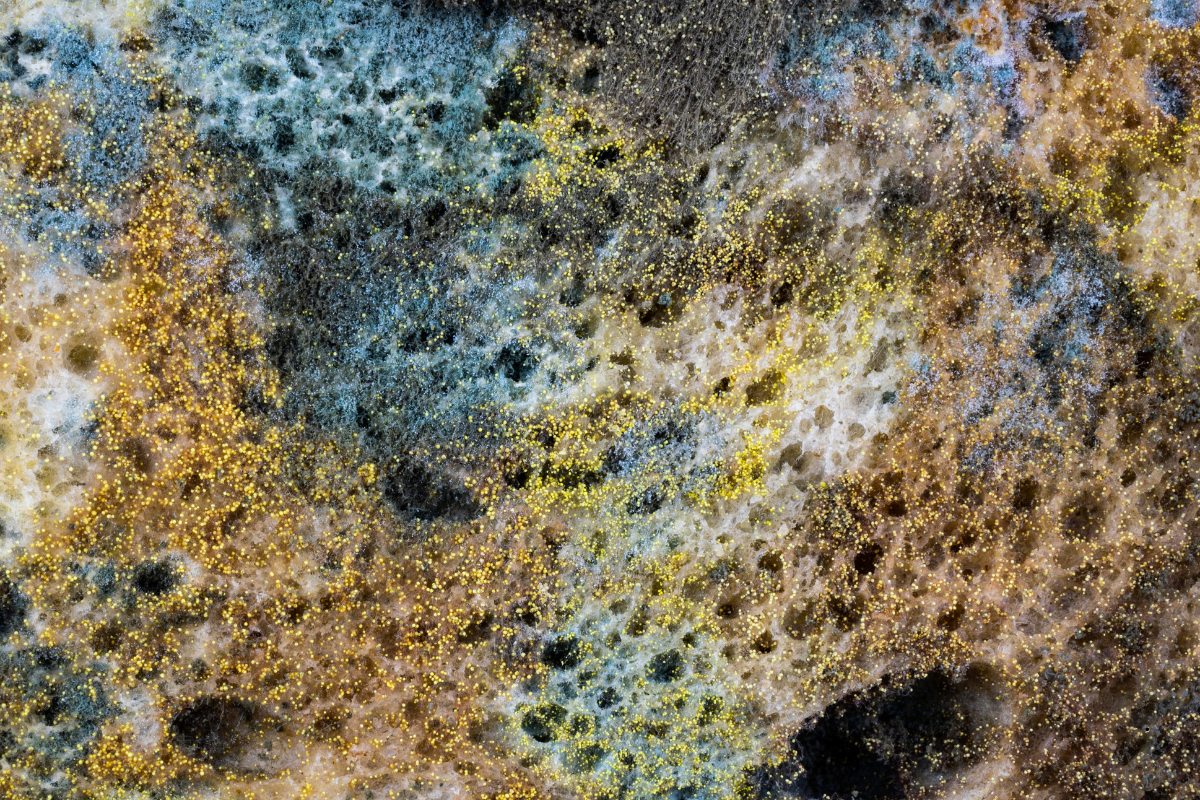
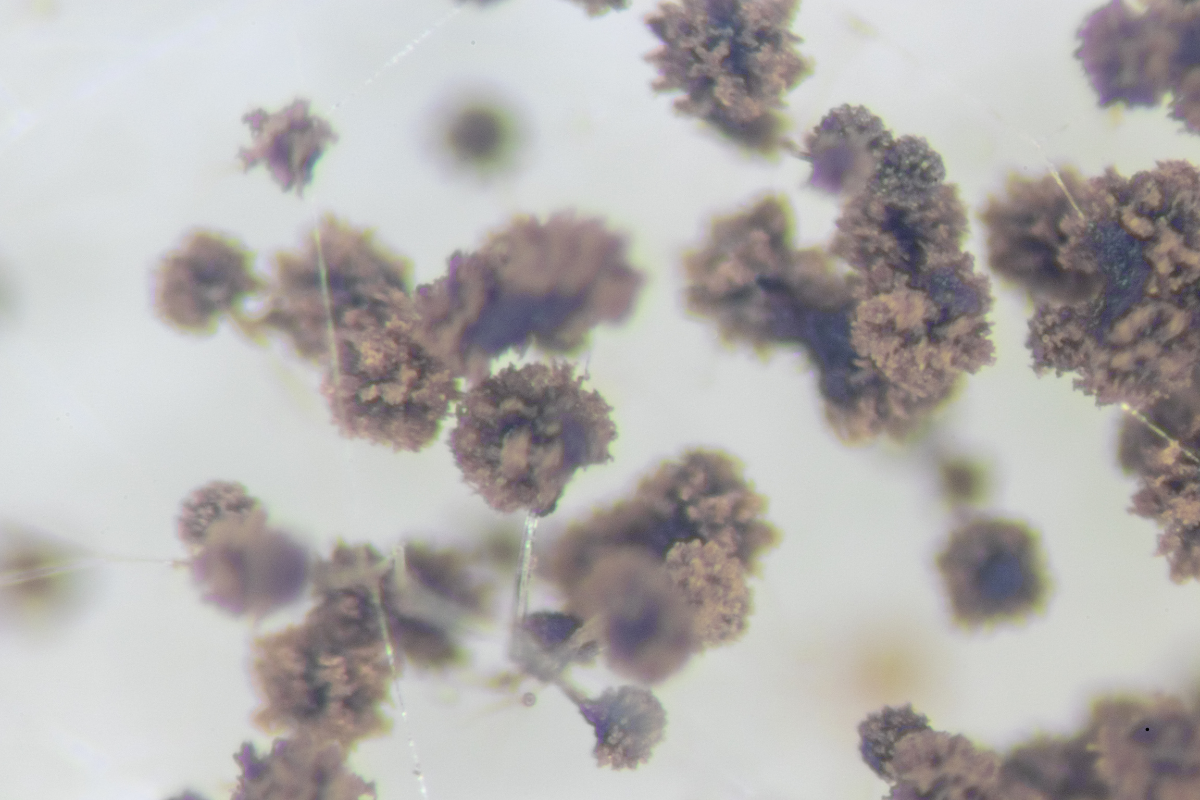
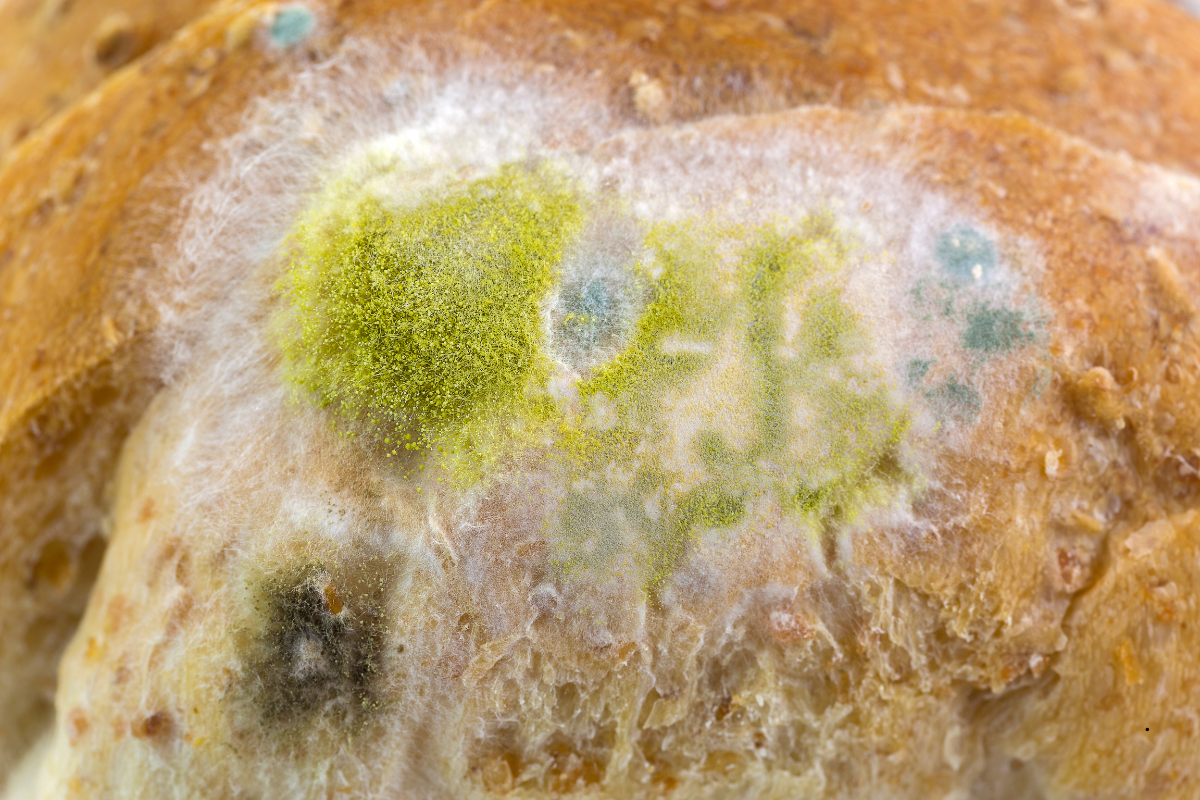
Mold is a type of fungus that thrives in moist, humid environments. While mold exists naturally in the environment, indoor overgrowth—especially in water-damaged buildings—can become harmful.
Certain molds produce mycotoxins, which are toxic chemical compounds that can enter the body through:
Inhalation
Ingestion
Skin contact
Unlike simple allergens, mycotoxins can impact multiple systems in the body and may lead to chronic health issues.
Who Is Most Affected?
Anyone can be affected, but higher-risk individuals include:
People living or working in water-damaged buildings
Individuals with asthma or allergies
Those with weakened immune systems
Patients with chronic unexplained symptoms
Individuals with genetic susceptibility to toxins
When Does Mold Become a Problem?
Mold becomes a health concern when:
Moisture persists for 24–48 hours or more
There is hidden water damage (walls, HVAC systems, basements)
Exposure is chronic rather than short-term
Symptoms often develop gradually and may worsen over time with continued exposure.
Where Is Mold Commonly Found?
Mold is commonly found in:
Bathrooms and kitchens
Basements and crawl spaces
HVAC and ventilation systems
Water-damaged drywall, carpets, and insulation
Workplaces, schools, and older buildings
Why Are Mycotoxins Harmful?
Mycotoxins are harmful because they can:
Trigger chronic inflammation
Disrupt the immune system
Affect the brain and nervous system
Impair the body’s detoxification pathways
This can lead to a wide range of symptoms affecting multiple organs and systems.
Common Symptoms & Associated Conditions
Respiratory issues (asthma, sinusitis)
Brain fog, headaches, memory problems
Chronic fatigue and weakness
Immune dysfunction and inflammation
Skin irritation and allergies
Digestive disturbances
Liver and kidney stress
In some cases: chronic multisystem illness
Advanced Testing for Mold & Mycotoxins
Because symptoms can overlap with many conditions, specialized testing is essential.
We offer testing through MyMycoLab.com, which focuses on detecting antibodies to mycotoxins.
Why Antibody Testing Matters:
Identifies immune response to mold toxins
Detects current or past exposure
Helps uncover hidden or chronic exposure
Guides personalized treatment decisions
Treatment & Recovery Approach
Treatment is personalized based on your antibody test results and symptoms.
Key Components of Treatment:
1. Remove Exposure
Identify and remediate mold sources
Improve air quality and ventilation
Address water damage
2. Detoxification Support
Binding agents (as guided by provider)
Hydration and nutritional support
Liver support protocols
3. Immune System Regulation
Anti-inflammatory strategies
Immune modulation support
4. Symptom Management
Respiratory support
Neurological and cognitive support
Gut and microbiome support
Diseases & Conditions Associated with Mycotoxins
Respiratory Disorders
- Asthma (development and exacerbation)
- Chronic sinusitis
- Allergic rhinitis (hay fever)
- Hypersensitivity pneumonitis
- Chronic cough and airway irritation
Neurological & Cognitive Disorders
- Cognitive dysfunction (“brain fog”)
- Memory impairment
- Headaches and migraines
- Dizziness and vertigo
- Mood disorders (anxiety, depression)
- Sleep disturbances
Immune & Inflammatory Conditions
- Chronic Inflammatory Response Syndrome (CIRS)
- Immune dysregulation
- Mast Cell Activation–type symptoms (MCAS-like)
- Increased susceptibility to infections
Chronic Multisystem Illnesses
- Chronic Fatigue Syndrome (ME/CFS–like illness)
- Fibromyalgia-like syndrome
- Chronic pain syndromes
- Post-viral illness exacerbation (including overlap with long COVID symptoms)
Autoimmune Diseases (Associated/Triggering Role)
- Hashimoto’s thyroiditis
- Rheumatoid arthritis
- Systemic lupus erythematosus (SLE)
- Multiple sclerosis (possible association)
Note: Mycotoxins may act as environmental triggers in susceptible individuals
Liver & Kidney Diseases (Well Established Toxicity)
- Hepatotoxicity (liver damage, especially aflatoxins)
- Nephrotoxicity (kidney damage, especially ochratoxin A)
- Impaired detoxification pathways
Cancer (Strong Evidence for Specific Mycotoxins)
- Hepatocellular carcinoma (liver cancer – strongly linked to aflatoxins)
- Possible associations with other cancers (less consistent evidence)
Gastrointestinal Disorders
- Irritable bowel syndrome (IBS-like symptoms)
- Increased intestinal permeability (“leaky gut”)
- Microbiome imbalance
- Digestive disturbances
Endocrine & Hormonal Disorders
- Thyroid dysfunction
- Adrenal dysregulation (HPA axis imbalance)
- Hormonal imbalances (estrogen/testosterone disruption)
Skin & Mucosal Conditions
- Dermatitis
- Rashes
- Itchy or watery eyes
- Burning skin sensations
Psychiatric & Behavioral Conditions
- Anxiety disorders
- Depression
- Irritability
- Cognitive fatigue
Infectious & Fungal-Related Conditions
- Chronic fungal colonization (sinuses, lungs)
- Aspergillosis (in immunocompromised individuals)
- Biofilm-associated chronic infections
Breast Implant Illness (Emerging Association)
- Chronic fatigue
- Brain fog
- Joint and muscle pain
- Immune-related symptoms
Mycotoxins may contribute in some individuals through:
- Biofilm colonization
- Chronic immune activation

What Our Patients Say About Us
Posted on GoogleTrustindex verifies that the original source of the review is Google. Took my mom to see Dr. Paruk, he took time to explain the treatments for her and is very knowledgeable. Thank you Dr. ParukPosted on GoogleTrustindex verifies that the original source of the review is Google. Dr Paruk is a doctor with great ethics! He has been my personal doctor for over 10 years. He is passionate and love his profession! Very knowledgeable in the medical field!Posted on GoogleTrustindex verifies that the original source of the review is Google. Dr. Is amazing, very kind and really knowledgeable. Will definitely be using him for any of my medical needs. He is great!Posted on GoogleTrustindex verifies that the original source of the review is Google. Dr. Paruk is an amazing doctor! He’s very knowledgeable, patient, and always takes the time to explain everything clearly. I never feel rushed. Highly recommend Dr. Paruk to anyone looking for quality healthcarePosted on GoogleTrustindex verifies that the original source of the review is Google. Could not ask for a better doctor and better service. I did not have to wait long before seing the doctor and he is such a wonderful human being who paid attention to me and helped me with the problem I had. Highly recommended.Posted on GoogleTrustindex verifies that the original source of the review is Google. The service is amazing. They listen to your needs and tailor their services accordingly. Phenomenal staff.Posted on GoogleTrustindex verifies that the original source of the review is Google. Dr.Paruk provided an unmatched level of personalized service during two medical incidents. He has also always advocated for natural remedies like olive oil and acv, his dynamic approach to medicine is rare today.Posted on GoogleTrustindex verifies that the original source of the review is Google. He has helped me so much. When I was sick during Covid he helped me get my fever down from 104 to a proper temp. One of the nicest doctors I know, he’s helped many people I know on multiple occasions