Blood Cupping (Hijama)

What Is Blood Cupping (Hijama)?

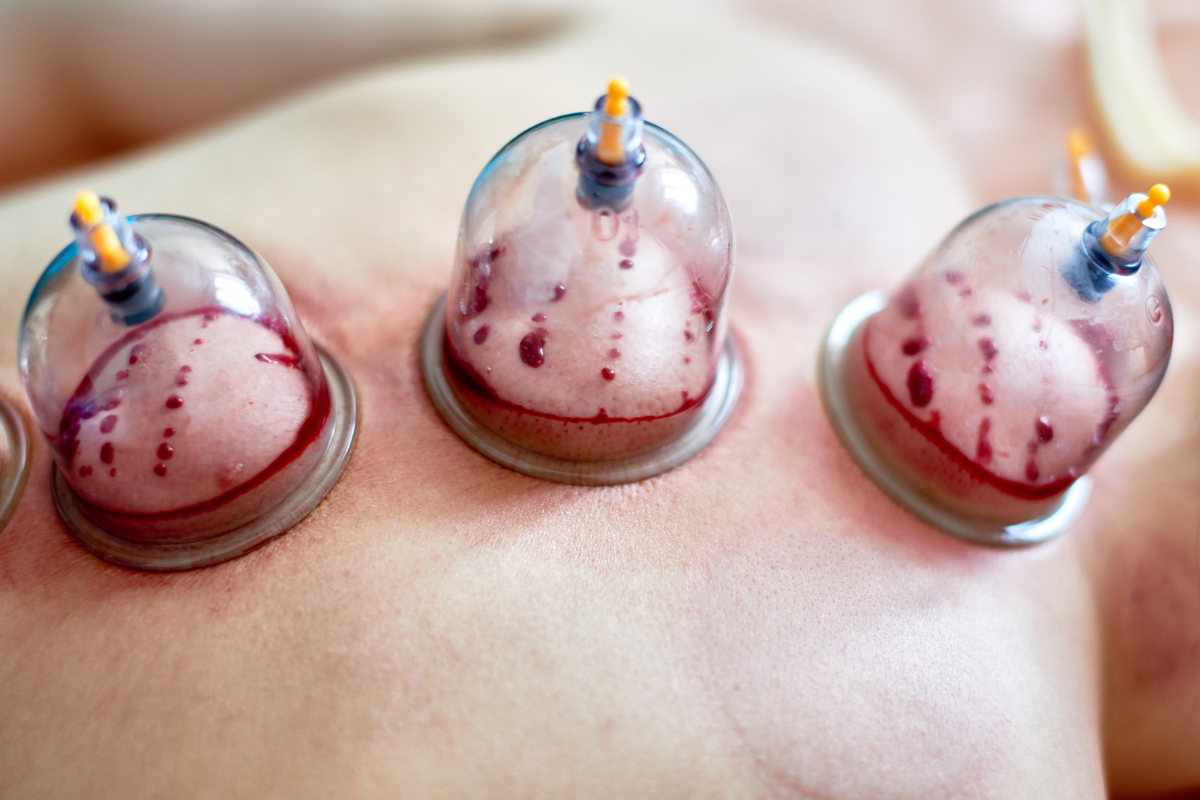
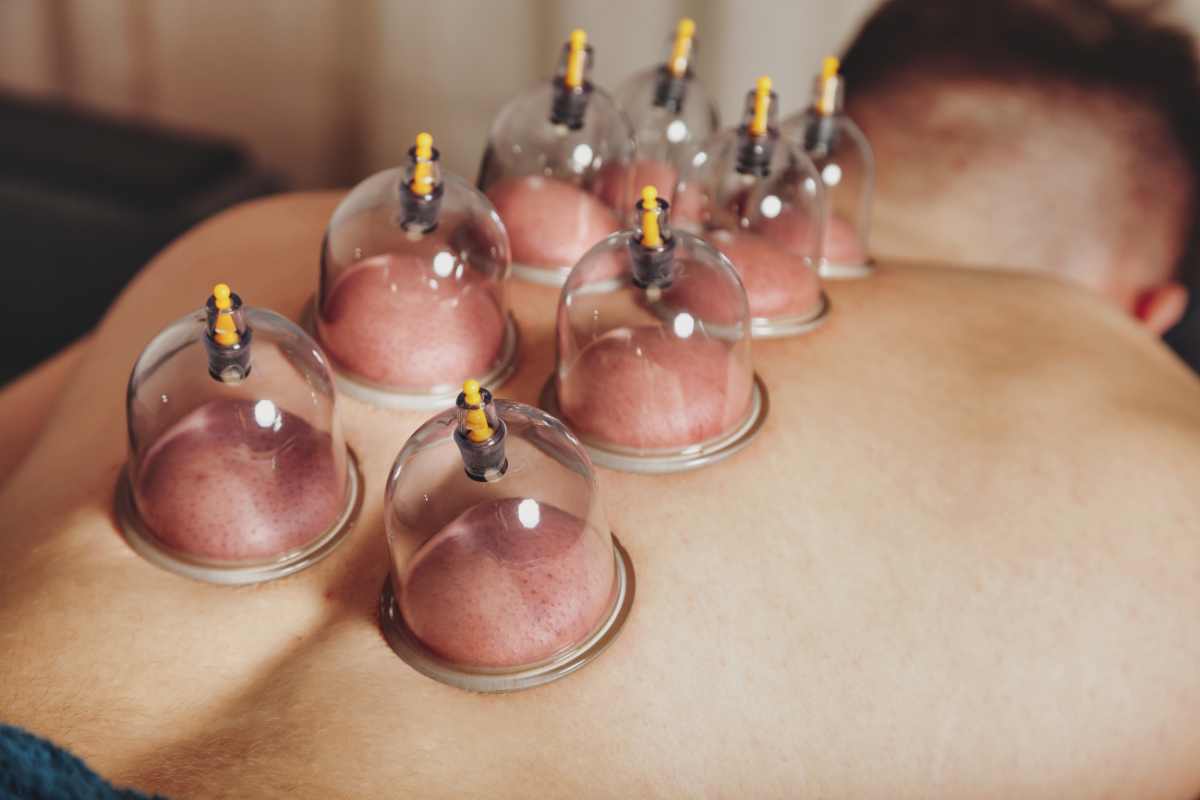
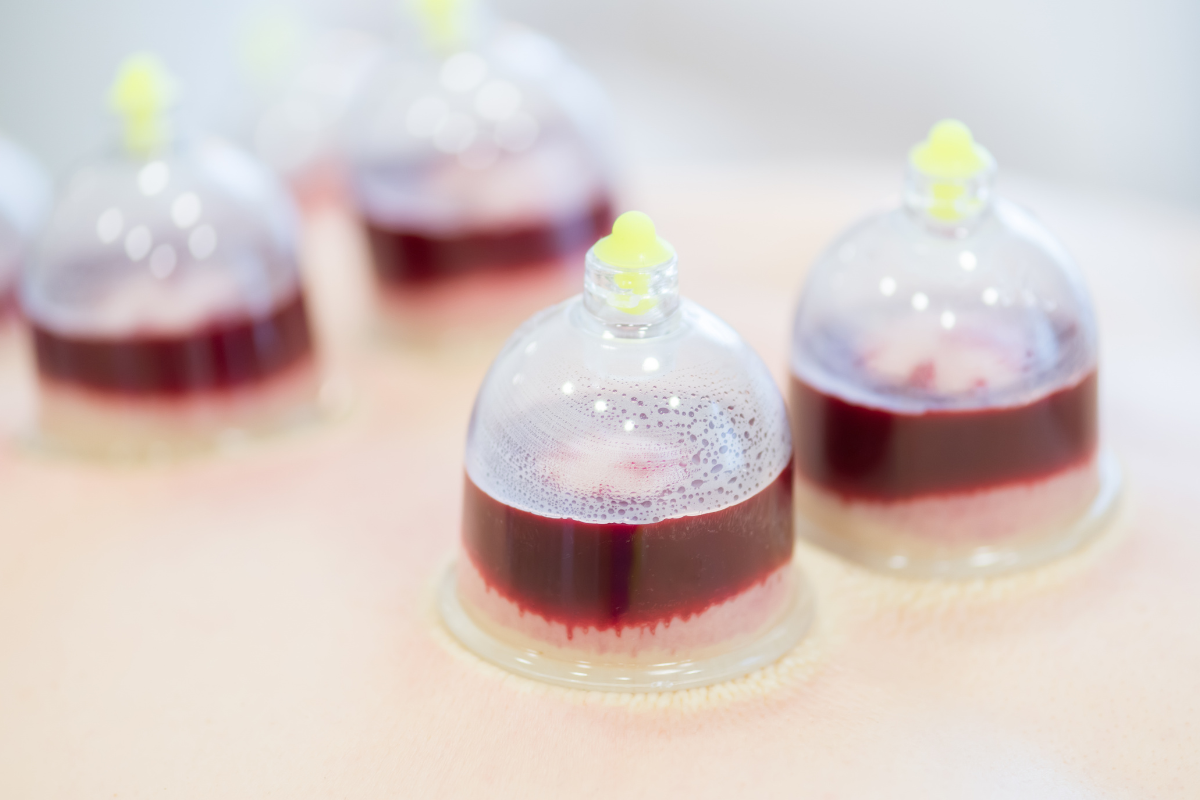
Blood cupping—also known as wet cupping—involves applying suction cups to the skin followed by controlled micro-incisions to draw out a small amount of blood. This process is intended to stimulate circulation, influence inflammation, and activate the body’s natural healing responses.

Blood cupping (Hijama) is an ancient therapeutic modality increasingly embraced within modern Complementary and Alternative Medicine (CAM) frameworks. While it has deep historical and cultural roots, it’s now being rediscovered by athletes, biohackers, and wellness communities as a tool for recovery, pain relief, and performance optimization.

A Biohacking Perspective: Why People Use Hijama

1. Muscle Pain & Tension Relief

Cupping is widely used to address tight muscles, knots, and chronic tension.

Its decompression effect may:

2. Circulation & Recovery Optimization

By increasing localized blood flow, cupping may support faster tissue repair and recovery.

3. Inflammation & Fatigue

Used to help manage inflammation and reduce post-training fatigue.

4. Nervous System Reset

Often associated with relaxation and a shift into recovery mode.

The “Human Oil Change” Analogy

Some practitioners and patients describe Hijama as a kind of “human oil change.”

The idea isn’t literal—but metaphorical:

  • Just as a car benefits from removing old, dirty oil

  • Hijama is thought (traditionally) to help remove “stagnant” or less optimal blood and fluids

From a modern perspective, this analogy loosely overlaps with:

  • Circulatory stimulation

  • Immune response activation

  • Local detox-support processes

That said, it’s important to stay grounded—this is a conceptual analogy, not a medically established mechanism.

Ancient Practice or Modern Fad?

Cupping exploded into mainstream awareness during the 2016 Summer Olympics, when athletes like Michael Phelps were seen with distinctive circular marks.

Since then, it’s been:

  • Promoted across social media and wellness spaces

  • Adopted by MMA fighters, boxers, and elite athletes

  • Marketed within biohacking and recovery culture

This has led some to label it a “wellness fad.”

But that label can be misleading.

Hijama is not new—it has been practiced for thousands of years across multiple civilizations. What’s new is:

  • Its rebranding in modern wellness culture

  • Increased visibility through athletes and influencers

  • Integration into Western CAM frameworks

So while it may feel like a trend, it’s more accurately a revived traditional therapy with modern appeal.

1. Tell me about the science? Pain Relief
  • Multiple systematic reviews and trials show cupping helps reduce:
    • Back pain
    • Neck pain
    • Knee osteoarthritis
    • Muscle soreness
  • Some studies show moderate to strong improvement in pain scores
  • Effects can last weeks to months in some cases

2. Inflammation & Muscle Recovery 
  • Studies show reductions in:
    • CRP (inflammation marker)
    • ESR (another inflammation marker)
  • Meta-analyses suggest cupping may:
    • Reduce inflammatory cytokines (like IL-6, TNF-α)

 Bottom line:
May help with inflammation and recovery, especially in musculoskeletal conditions.


3. Some studies report that cupping blood contains higher levels of:
  • Cholesterol
  • Triglycerides
  • Uric acid
  • Urea
4. Prophetic Medicine & Modern CAM

Hijama also holds a significant place in Prophetic Medicine, where it is historically recommended as part of holistic health practices.

  • They are used alongside—not in place of—modern medical care

  • Many people integrate them for both spiritual and physical well-being


5 . Why Athletes & Fighters Use Cupping

Today, cupping is widely used across high-performance sports:

  • Olympic swimmers → shoulder recovery & mobility

  • MMA fighters & boxers → muscle recovery between intense sessions

  • Strength athletes → tension relief and improved movement

  • Track & field athletes → fatigue management

For these individuals, it’s part of a broader strategy:
reduce muscle tension → recover faster → train harder → perform better

Systematic Reviews & Meta-Analyses (Best Evidence)

1. Cupping for Pain – Systematic Review (NIH)
  • Open study

  • Found: cupping shows positive effects vs conventional treatment (PMC)


2. Chronic Low Back Pain Review (PMC)
  • Open study

  • Found: cupping helps with pain relief and function (PMC)


3. Meta-analysis (PubMed – blood cupping / wet cupping)
  • Open study

  • Found: cupping can reduce pain and improve function, but evidence is limited (PubMed)


4. 2024 Analysis (ScienceDirect – higher quality recent data)

5. 2023 Evidence Mapping (Frontiers)
  • Open study

  • Found: cupping effective for:

    • Chronic pain

    • Knee osteoarthritis

    • Neck & back pain

  • BUT: evidence ranges from low to moderate quality (Frontiers)

    Mechanism & Medical Overview

    6. StatPearls Medical Review (NCBI)
    • Open review

    • States:

      • Cupping provides meaningful pain relief

      • Wet cupping may help inflammatory conditions (NCBI)


    7. “Medical Perspective of Cupping Therapy” (PMC)
    • Open review

    • Explains mechanisms:

      • Circulation

      • Muscle relaxation

      • Traditional + modern interpretations (PMC)


    Neck Pain / Specific Condition Evidence

    8. BMJ Open Review (Neck Pain)
    • Open study

    • Found:

      • Cupping reduces neck pain and improves function

      • But evidence still low quality (BMJ Open)


    Important “Limitations” Study

    9. Hypertension Review (PubMed)

    What ALL these sources agree on

    Across these studies:

     Strongest evidence → pain relief (short-term)
     Some support → inflammation & function

Happy Patients

What Our Patients Say About Us